
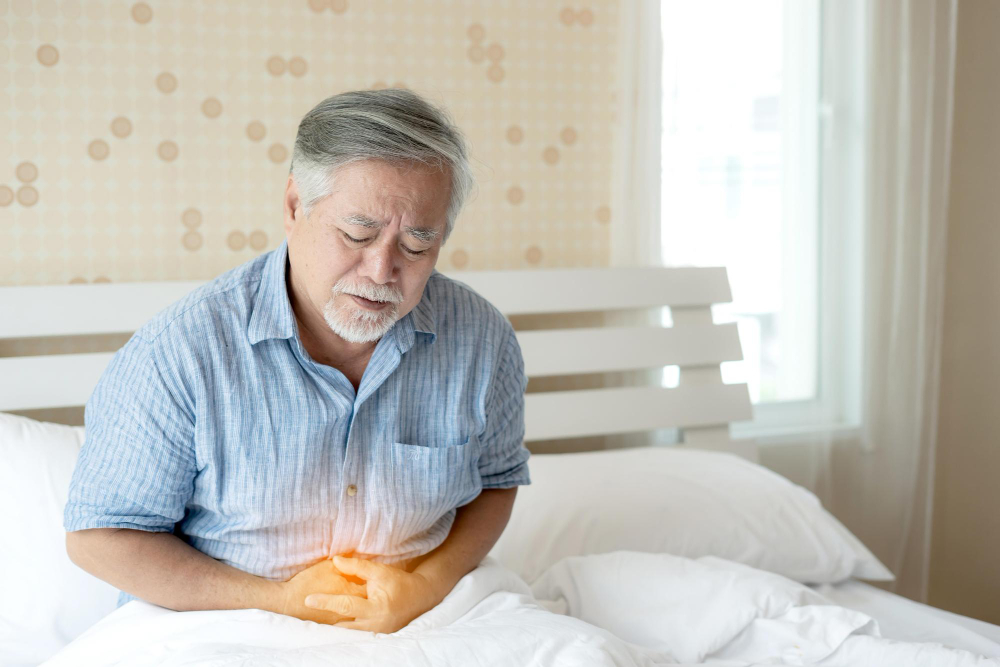
Getting older changes how our bodies perform. Many people start noticing less energy during the day. For example, just feeling a bit weaker at the gym. A lot of men assume this is just what ageing feels like. They accept the fatigue and the mood shifts. But you do not have to accept feeling less than your best.
Hormonal changes play a massive role in how men age. We often talk about testosterone. But Human Growth Hormone (HGH) is equally vital. Understanding how these hormones work can change how you manage your health after 40. Here is what you need to know about the signs you should never ignore.
What Is HGH And How Does It Influence Ageing
HGH is a peptide hormone and is created by the pituitary gland in your brain. This hormone acts as a fundamental building block for keeping your body in good repair.
Its main roles are quite extensive. It stimulates tissue repair and growth. It regulates your fat metabolism, ensuring your body burns fuel efficiently. It supports your muscle mass and maintains your bone density. It also assists with your general energy levels. Indirectly, it supports your sleep quality and helps maintain your skin elasticity.
When we are young, this hormone floods our system. It is why teenagers can eat junk food, play sports all day, and wake up feeling completely fine. But this abundance does not last forever.
The Timeline of Hormone Decline
HGH production peaks in your late teens and early twenties. Once you reach age 30, a gradual decline begins. You lose about one to two percent of your HGH production every year.
By the time a man reaches 50, he might produce 60 to 80 percent less HGH than he did in his twenties. This is a massive physiological shift. This steady drop deeply affects your metabolism. It slows down your strength gains. It drains your daily energy and makes exercise recovery much harder.
The Physical Signs of Low HGH
Men over 40 should be aware of several physical indicators. The most common is increased abdominal fat. This is specifically visceral fat that wraps around your internal organs. It is very hard to shift with just diet alone.
You might also experience a noticeable loss of muscle mass or strength. This can happen despite a strict workout programme. Your post-exercise recovery becomes sluggish. You might feel sore for days after a standard gym session. Reduced bone density and increased joint pain are also strong indicators. Many men also notice their skin becoming drier or thinner.
Psychological And General Health Symptoms
The impact goes beyond the mirror. Low HGH affects your overall wellbeing. You might battle constant low energy or deep fatigue. Poor sleep quality is incredibly common. You might find yourself waking frequently throughout the night. Your overall exercise capacity might shrink, making every day physical tasks feel exhausting.
On a psychological level, you might notice reduced motivation. The drive to achieve goals might feel blunted. A mild low mood or persistent brain fog is also common. You just lose that mental sharpness.
Metabolically, low HGH can cause higher LDL cholesterol levels. Some men also develop increased insulin resistance. This means your body struggles to process carbohydrates properly.
These symptoms can creep up slowly. That is why a comprehensive Health Check-up is so beneficial for men entering their forties and fifties.

The Difference Between Low HGH And Low Testosterone
This is a common point of confusion. Many men mix up the two. The symptoms overlap, but the root functions are different.
Low HGH tends to affect your body composition. It causes more fat and less muscle. It ruins your workout recovery and skin quality. It disrupts your sleep and lowers your exercise tolerance. A blood test will usually reveal low IGF-1 levels.
Low testosterone affects different areas. It strongly impacts your libido and sexual desire. It affects the quality of your erections. It plays a big role in mood stability. Low testosterone reduces your motivation and competitiveness. It also impacts your strength and can cause issues like anaemia or reduced body hair growth.
The main difference is that HGH governs metabolism, recovery, and body composition. Testosterone governs sexual function, aggressive drive, and mood.
Men can absolutely suffer from both deficiencies simultaneously. They are separate hormone systems that both degrade with age. This is exactly why Recognising The Signs Of Hormone Imbalances requires professional testing rather than guesswork.
This is Important! Symptoms Alone Are Not a Diagnosis
Symptoms such as low energy, reduced libido, poorer exercise recovery, sleep disturbance, low mood, and increased body fat can be associated with testosterone deficiency, but they can also overlap with other conditions and lifestyle factors and as such a proper assessment requires clinical review rather than guesswork.
Because of this, men concerned about low testosterone or related hormonal changes should seek medical assessment that considers symptoms, history, and appropriate blood testing. Testosterone testing is used when there are symptoms of abnormal androgen production, while the NHS also frames diagnosis and treatment as something to be confirmed by a specialist rather than assumed from symptoms alone.
Taking Action for Your Health
Ignoring these symptoms is a mistake. Chronic low hormones can lead to significant metabolic disorders. Visceral fat increases your risk for cardiovascular issues. Low bone density can lead to serious injuries. The psychological toll of feeling constantly tired can affect your career and family life.
If you relate to these signs, there are safe and effective medical protocols available. Treatments like Testosterone Replacement Therapy can be tailored to your specific needs. The first step is always getting a clear picture of your blood work.
When to Seek Help
If you are experiencing any of the following it may be worth discussing these symptoms with a qualified clinician.
- Persistent fatigue
- Lower sex drive
- Erectile changes
- Declining strength
- Slower recovery
- Poor concentration
- Or a noticeable increase in body fat
Many of these as recognised features that may accompany low testosterone, while also noting that some symptoms may overlap with normal ageing or other health conditions. A proper hormone assessment at our wellness clinic can help determine whether symptoms are related to testosterone deficiency, another endocrine issue or a different underlying health condition.
Frequently Asked Questions
What Is HGH And How Does It Keep Men Healthy as They Age?
HGH is a hormone produced in the brain. It is responsible for repairing tissue, building muscle, and metabolising fat. It also keeps your bones dense and your skin elastic. As men age, maintaining healthy HGH levels ensures the body can still repair the damage from daily stress and physical activity.
When Do Men Usually Notice a Drop in Hormones?
The decline starts around age 30. But most men do not really feel the symptoms until they hit 40 or older. Because the drop is about one to two percent a year, the changes are subtle. By age 50, the lack of hormones becomes very noticeable in your energy and waistline.
What Are the Warning Signs I Should Look For?
Watch out for stubborn belly fat that will not budge. Pay attention to how long it takes you to recover from physical work. Look out for brain fog, poor sleep, and a general lack of motivation. If you are doing everything right with your diet and still feeling terrible, hormones are likely the culprit.